
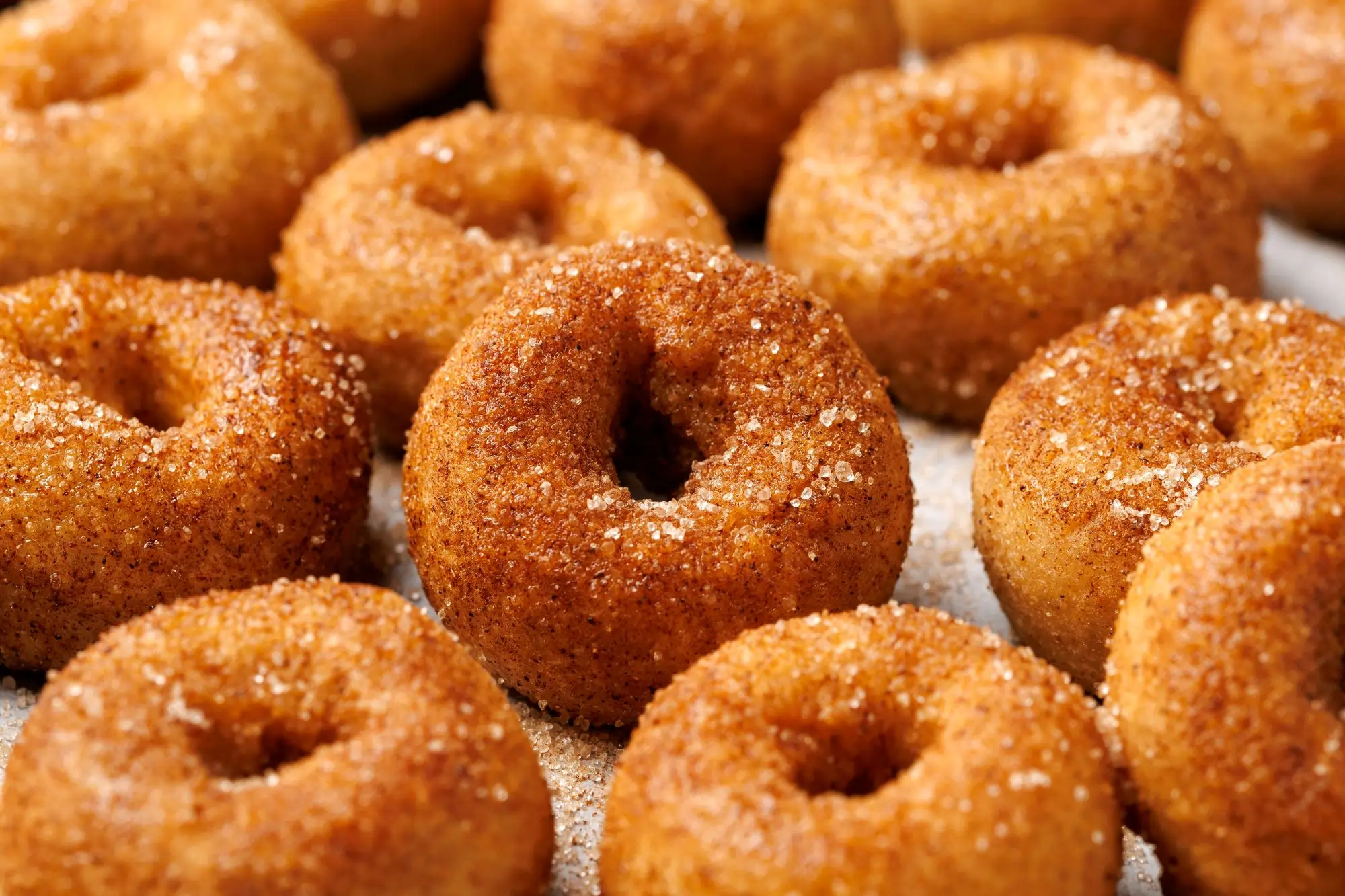
Why small batch donuts taste better often relates to how bakeries control the steps that affect flavor, texture, and freshness. Smaller production runs allow teams to monitor dough development, frying conditions, and finishing timing more closely. They also reduce the time donuts sit before serving. At Fuzion Donuts, this process helps maintain consistent texture, balanced flavor, and fresh donuts throughout the day.
What Small Batch Baking Means in Donut Production
Small batch baking in donut production means preparing dough and frying donuts in smaller controlled quantities instead of continuous high volume runs. The advantage comes from better control over each stage of production. Bakers can observe dough behavior, adjust timing, and correct small issues before they affect a large quantity of donuts.
Controlling Dough Preparation in Smaller Batches
Dough begins changing as soon as mixing starts. Hydration, dough temperature, gluten development, and yeast activity all influence how the dough will proof and fry. Smaller batches allow bakers to monitor these factors more easily because the dough mass is easier to handle.
This matters especially in enriched donut dough. Ingredients such as sugar, butter, and eggs affect fermentation speed and structure. Smaller batches make it easier to keep dough development within the desired range so donuts stay light while maintaining strength.
Managing Production Timing Throughout the Day
Donut production depends heavily on timing. Mixing, proofing, frying, and finishing must happen in a controlled sequence. Smaller runs allow bakeries to space production throughout the day so donuts are made closer to the time they will be served.
Better timing also reduces long holding periods. Instead of producing a large quantity early in the morning, bakeries can refresh batches during the day to maintain ideal texture.
Maintaining Consistency Across Each Batch
Consistency improves when each batch moves through a shorter and more controlled cycle. Bakers can evaluate dough feel, proof height, fry color, and final appearance after each batch. If something changes, adjustments can happen immediately.
Small batch production does not remove all variation. However, it allows teams to detect changes earlier and maintain consistent results.
Fermentation Control and Dough Development
Fermentation shapes donut flavor, texture, and internal structure. During fermentation, yeast produces gas and flavor compounds that develop the dough. This process creates the light crumb and subtle flavor found in well made donuts.
| Fermentation factor | Effect on donut quality |
|---|---|
| Flavor development | Produces mild acidity and aromatic compounds that deepen flavor |
| Gas formation | Expands the dough and supports a lighter crumb |
| Texture | Builds a soft interior with stable structure |
| Consistency | Helps dough behave more predictably during frying |
Why Fermentation Timing Matters
Fermentation timing determines how the dough performs during frying. Underproofed dough often produces dense donuts because it has not developed enough gas. Overproofed dough can weaken and lose structure during frying.
Each dough formula responds differently to fermentation. Temperature, ingredients, and handling all influence yeast activity. Careful timing keeps the dough within its optimal development window.
How Small Batch Production Improves Dough Monitoring
Small batches allow bakers to observe dough condition more frequently. They can check elasticity, surface appearance, and proof height before moving to the next stage.
Fermentation speed changes from day to day. Room temperature, ingredient temperature, and mixing conditions all affect yeast activity. Smaller batches allow adjustments based on real conditions rather than fixed schedules.
Preventing Overproofing or Underproofing
Smaller production runs make it easier to move dough from proofing to frying at the correct moment. Large production systems sometimes create delays when many trays wait for the fryer.
When proofing remains controlled, donuts develop the correct internal structure. Proper proofing helps maintain softness, reduces oil absorption, and supports stable finishing after frying.
Frying Temperature Consistency
Frying temperature strongly affects donut texture and oil absorption. Oil that is too cool can cause donuts to absorb excess oil. Oil that is too hot can brown the exterior too quickly before the interior cooks fully.
Consistent temperature allows the outer surface to set while the interior finishes cooking.
Oil Temperature Stability in Smaller Frying Runs
Smaller frying runs help stabilize oil temperature. Each batch lowers oil temperature when dough enters the fryer. Large loads create larger temperature drops.
Controlled loads allow the fryer to recover temperature quickly between batches. Stable oil temperature helps produce even browning and consistent texture.
Preventing Oil Degradation During Long Production Cycles
Frying oil changes during extended use. Heat, moisture, and particles from dough gradually break down the oil. These changes can affect flavor and surface quality.
Smaller production runs reduce continuous strain on the fryer. Staff can monitor oil condition more easily during production and maintain cleaner frying conditions.
How Frying Conditions Affect Donut Texture
Frying conditions determine how the donut crust forms and how the interior stays moist. Stable frying produces a thin outer layer while preserving a soft crumb inside.
If frying conditions fluctuate, donuts may develop thick crusts or uneven interiors. Stable heat allows the dough structure to set evenly during cooking.
Same Day Finishing and Freshness
Same day finishing means completing donuts soon after frying so they remain close to peak texture. Glazes, fillings, and toppings perform best when applied shortly after production.
Steps that occur during same day donut finishing:
-
Glazing and topping application
-
Filling donuts with creams or custards
-
Final finishing for texture and appearance
-
Serving donuts shortly after production
Fresh finishing helps preserve the qualities created during fermentation and frying.
How Small Batch Production Improves Texture
Small batch production supports better control across each stage of donut preparation. Dough can reach proper development, proofing can occur within a controlled window, and frying conditions remain stable.
These factors combine to create a balanced texture. The outer layer forms properly while the interior remains soft and structured. Smaller runs reduce delays between stages and help preserve this balance.
Flavor Clarity in Fresh Donuts
Flavor clarity develops when fermentation, frying, and finishing remain controlled. Fermentation produces subtle aroma compounds that give donuts depth. Stable frying prevents heavy oil flavors from masking those notes.
Fresh finishing helps toppings, glazes, and fillings maintain distinct flavor. Visitors often notice these qualities when they try donuts from Fuzion Donuts.
Freshness Compared to Large Scale Production
Donut freshness depends largely on time after production. As donuts sit, the contrast between the outer surface and interior crumb begins to fade. Glazes may soften and fillings may change texture.
Smaller batch production usually shortens the time between production and service. Large scale operations can still manage freshness well, but longer holding periods occur more often. Customers looking for fresh donuts can find current locations through the Fuzion Donuts location page.
The Role of Process in Donut Quality
Donut quality depends on how well the entire production process is controlled. Fermentation, frying temperature, and finishing each influence the final result.
Small batch baking supports tighter control across these steps. It allows teams to monitor dough development, stabilize frying conditions, and finish donuts close to the time they will be served. These factors explain why donuts often taste best shortly after they are made.