
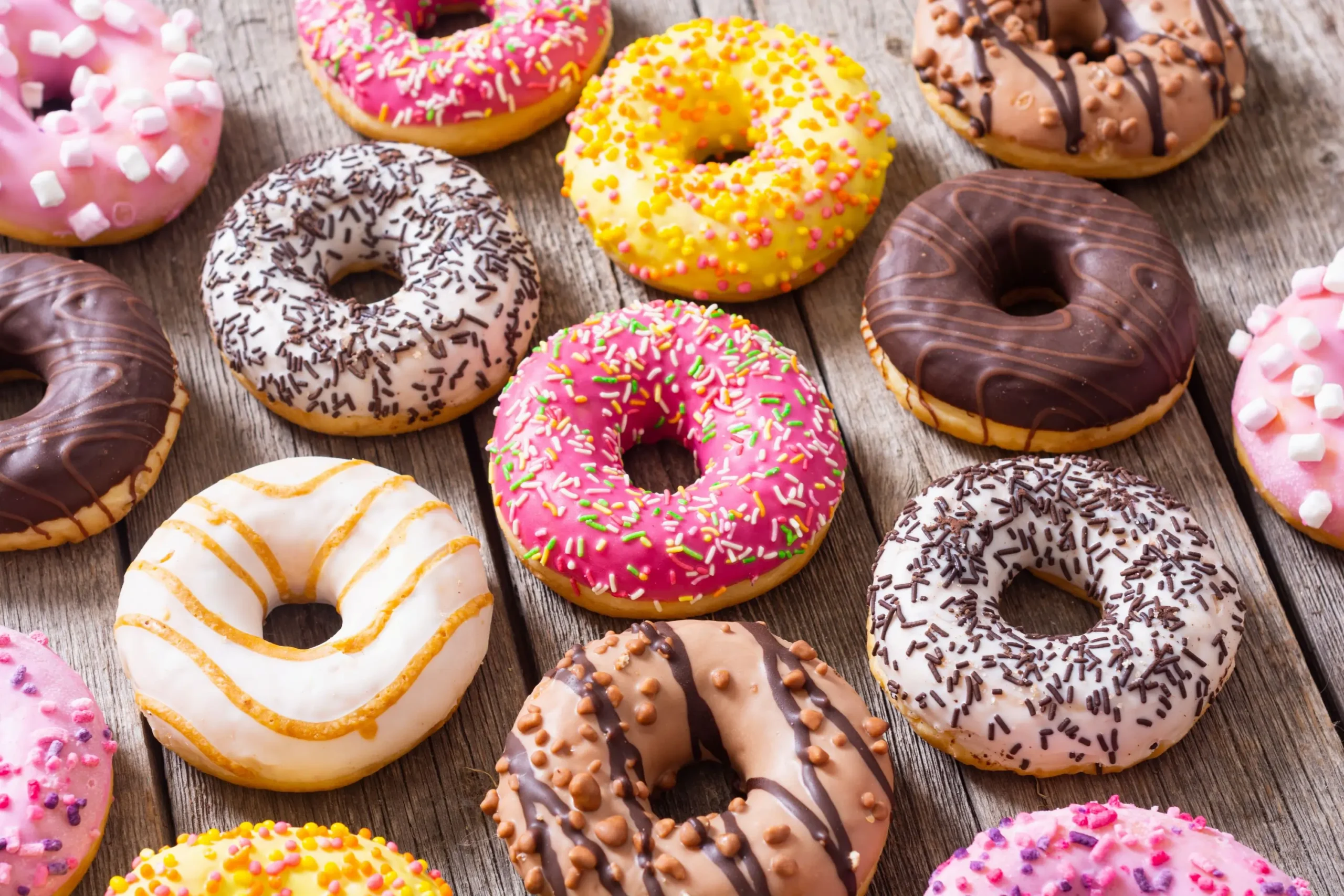
Donut flavour is built through structure, not just ingredients. At Fuzion Donuts, flavour development starts with the base dough and moves through glaze composition, topping selection, and texture contrast so each element contributes something different to the overall experience instead of repeating sweetness.
The Base Dough Sets the Foundation
The dough controls how every other component is perceived. Its sweetness level, fat content, and crumb structure determine whether glazes feel balanced or overwhelming. A lighter dough allows bright glazes and toppings to stand out, while a richer dough adds weight and chew that can deepen chocolate or caramel profiles.
Moisture retention is equally important. A dough that dries quickly causes glazes to harden excessively and reduces perceived freshness. A properly hydrated dough keeps the interior soft so contrast with the exterior glaze remains noticeable throughout the bite.
How Glazes Shape Primary Flavour
Glazes function as the main flavour layer and also as a structural coating. Their thickness affects both taste intensity and mouthfeel. Thin glazes partially absorb into the surface, softening sweetness and integrating with the dough. Thicker glazes form a defined outer shell that creates a stronger first impression and a more noticeable bite.
Chocolate glazes rely on balancing cocoa bitterness with fat and sugar so flavour depth does not turn harsh. Fruit-based glazes often use reductions or concentrates to maintain acidity, which prevents the donut from tasting one dimensional. Neutral bases like vanilla or caramel depend more on aroma and warmth than sharp contrast, so they often benefit from textural toppings to add complexity.
Toppings Add Secondary Flavour and Structure
Toppings are chosen to introduce something the glaze and dough do not already provide. Their role is to create contrast in taste or texture rather than simply increase sweetness.
Roasted nuts add bitterness and crunch that cut through rich glazes. Cookie crumbs contribute a secondary sweetness but also introduce dryness and grain that change the bite pattern. Fruit pieces provide chew and acidity, which helps prevent heavier donuts from feeling dense. Chocolate shards add snap, which gives a clear textural break that highlights the softness of the interior.
This layering approach ensures each topping changes the experience rather than duplicating what is already present.
Texture Contrast Makes Flavours Noticeable
Texture directly affects flavour perception. A soft crumb alone blends flavours into a single impression. When combined with a crisp glaze or crunchy topping, the eater experiences distinct stages of sensation.
The initial bite often delivers glaze sweetness and surface texture. The middle of the bite emphasizes dough softness and moisture. The finish may highlight crunch or creaminess. This progression makes flavours feel more complex even when ingredient lists are short.
Balancing Sweetness, Acidity, and Fat
Donuts are naturally sweet, so balance is created through opposing elements. Acidity from fruit reductions sharpens flavour and prevents heaviness. Fat from chocolate, nuts, or dairy fillings slows sweetness perception and adds richness. Bitterness from cocoa or roasted ingredients provides depth.
When these elements are layered correctly, sweetness remains present but does not dominate. This balance approach is central to the flavour combinations developed across the range at the Fuzion Donuts shop.
How Creams and Fillings Change Mouthfeel
Fillings shift flavour from surface focused to internal. Creams and custards add density, which extends flavour contact across the palate. They also introduce temperature and moisture differences that make each bite feel fuller.
Proportion matters more than presence. Too much filling can overpower the dough and glaze, while too little does not meaningfully change the experience. Balanced fillings support the overall structure rather than becoming the only noticeable element.
Crunch Elements as Final Accents
Crunch components are typically added last because they are sensitive to moisture and lose texture quickly if improperly applied. Their function is to create a final structural contrast that breaks the soft pattern established by dough and glaze.
These elements often define the finish of the bite. A small amount of crunch can leave a stronger memory than larger soft components because it creates a distinct ending sensation.
How Flavour Architecture Comes Together
Flavour architecture works when each layer serves a different purpose, base for structure, glaze for primary flavour, toppings for contrast, and texture elements for progression. Repeating the same type of sweetness or softness across layers leads to flat results.
This structured approach to building donuts ensures that flavour unfolds rather than arriving all at once. To see where these layered flavour combinations are available, use the store location finder to plan a visit.